Exploring West Madagascar means entering a region famed for its unspoiled landscapes, iconic baobabs, and rare biodiversity. Those choosing West Madagascar tours will encounter geological wonders, unique wildlife, and lively local cultures. From the dramatic Tsingy de Bemaraha to sunny Morondava and legendary baobabs, this part of the island promises authentic discovery.
1. Introduction to West Madagascar Tours
Journeys across West Madagascar reveal dramatic scenery, diverse ecosystems, and time-honored traditions. The routes often traverse red earth, extensive savannahs, dry forests, and dramatic rock formations. Each step by foot or jeep brings visitors closer to Madagascar’s wild and welcoming heart.
Visitors choose West Madagascar tours not only for famous sites but for a sense of raw adventure and genuine encounters with locals.
2. Why Choose Western Madagascar?
Western Madagascar is a haven for travelers seeking:
- Spectacular geological formations
- Famous baobab trees and avenues
- Unique UNESCO World Heritage sites
- Off-the-beaten-path villages and culture
- A variety of wildlife, including endemic lemurs and birds
The region differs from eastern rainforests or southern deserts, offering wide open spaces, rustic life, and striking sunsets. Tours can be flexible, fitting cultural explorers, families, hikers, and nature photographers.
3. Tsingy de Bemaraha: A UNESCO Geological Treasure
The Tsingy de Bemaraha National Park is a world-renowned limestone labyrinth. Designated a UNESCO site, these “Tsingy” are sharp limestone pinnacles rising like an ancient fortress.
Highlights at Bemaraha
- Walkways and hanging bridges over stone forests
- Breathtaking panoramic views
- Rare wildlife such as Decken’s sifaka, birds, and chameleons
- Varied trails: from simple walks to challenging hikes
Boat trips on the Manambolo River reveal caves, tombs, and lush riverbanks. The Tsingy are a unique, photogenic destination, drawing geologists, trekkers, and the simply curious.
Visiting Advice
- Go between April and November (dry season)
- Bring hiking boots and water
- Always explore with a local guide for safety and insight
4. Avenue of the Baobabs: Madagascar’s Natural Icon
The Avenue of the Baobabs, near Morondava, is likely Madagascar’s most recognizable landscape. Rows of towering, ancient baobabs create an unforgettable pathway—especially at sunrise or sunset.
Why Visit Baobab Avenue?
- Striking photo opportunities at golden hour
- Multiple endemic baobab species on show
- Easy access from Morondava
- Meetings with Sakalava villagers and artisans
Responsible Tourism
- Do not climb or damage the trees
- Keep to marked paths
- Leave no litter, respect this fragile landscape
Baobabs are sacred for local people and essential to Madagascar’s natural identity.
5. Morondava: Gateway to Western Wonders
Morondava is the main city and arrival point for most West Madagascar tours. Set on the Mozambique Channel, it’s a laid-back town with vibrant markets and beautiful beaches.
What to Enjoy in Morondava
- Chill at Nosy Kely beach
- Stroll through busy local markets
- Feast on fresh seafood or Malagasy dishes
- Visit artisanal workshops or meet local guides
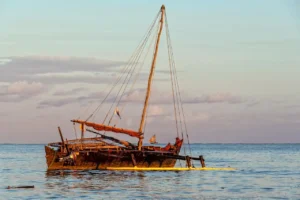
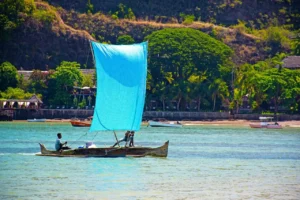
Morondava is also perfect for day trips up the coast, pirogue (canoe) excursions on the Mangoky River, and cultural experiences with the Sakalava community.
6. Other West Madagascar Highlights
Your West Madagascar tour can also include these rewarding stops:
Belo-sur-Tsiribihina
A riverbank town famous for:
- Authentic rural life and traditions
- Lively local markets
- River crossings by ferry boat
Kirindy Reserve
Home to:
- The elusive fossa (Madagascar’s top predator)
- Nocturnal lemurs and other rare mammals
- Nature walks with expert trackers
Malagasy Villages
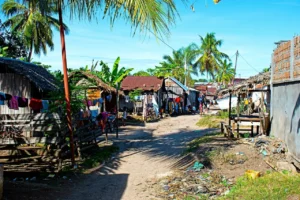
Home-stays and cultural encounters deepen understanding of Madagascar’s west—its music, crafts, and customs. Hospitality here is a highlight.
Secret Beaches & Mangroves
South of Morondava, untouched beaches and intricate mangroves are havens for birdlife, best explored by boat.
7. Practical Advice for West Madagascar
Exploring the wild west requires some planning:
How to Get Around
- 4×4 vehicle with a driver-guide: crucial for rough and sandy roads
- Ferries and canoes to traverse rivers
- Organized excursions from Morondava or Belo
Health & Safety
- Carry a first aid kit and mosquito repellent
- Drink bottled water only
- Check for travel insurance and necessary travel vaccines
Accommodation
Options include:
- Local hotels and guesthouses
- Ecolodges near parks
- Basic camping for adventurous travelers
Eating on the Road
Enjoy:
- Rice dishes with fresh fish or zebu meat
- Brochettes and fried bananas
- Seasonal fruits and Malagasy desserts
Respecting Culture
- Always ask before taking photos
- Honour local customs and taboos (“fady”)
- Buy crafts directly from artisans whenever possible
8. Best Time to Visit the West
From April to November, the dry season makes roads accessible and hikes comfortable. Avoid the December-March rainy season: roads can become impassable, especially near Bemaraha.
9. Tailor-Made West Madagascar Tours
West Madagascar tours can be adjusted to:
For Nature Lovers
- Trekking in Tsingy de Bemaraha
- Wildlife viewing in Kirindy
- Birdwatching in wetlands
For Families
- Relaxing at Baobab Avenue
- Safe beach days in Morondava
- Educational visits to local communities
For Adventurers
- Hiking rugged Tsingy circuits
- Overnight canoe trips
- Off-road expeditions in the savannah
Local drivers and guides make sure language and navigation are never an issue. Customizing your itinerary is key for the best experience.
West Madagascar tours open up a world of contrasts: stone forests, ancient baobab giants, riverside villages, and endemic wildlife. Each stop—Tsingy, Morondava, Belo, Baobab Avenue—offers new perspectives on the Malagasy land and culture.